Ancestral Futures
by Yvette Njoki Waweru
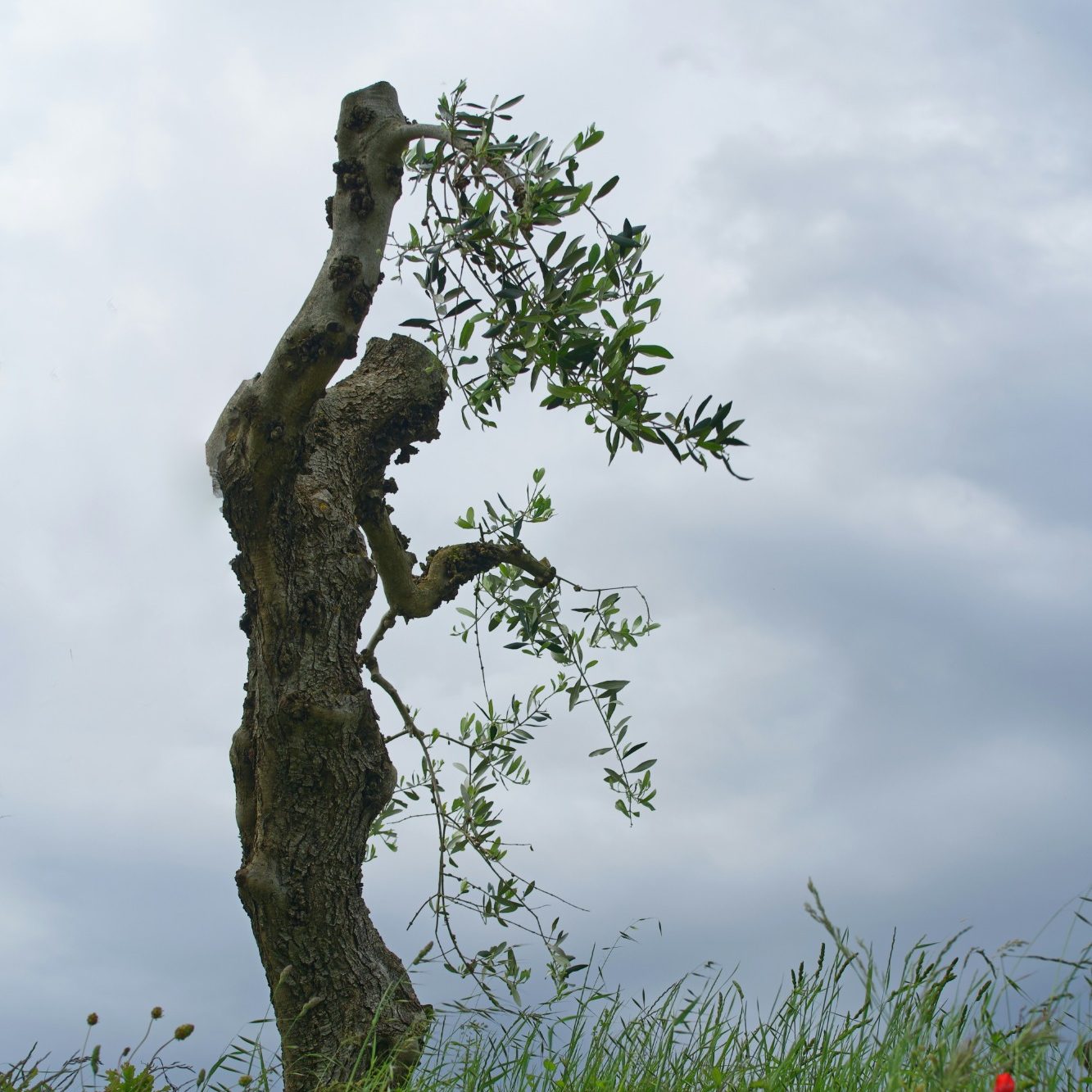
Enough about the burdens of colonialism and neocolonialism on the African. What next?
What if the fruits of our future are seeded from the roots of our past? We are like trees whose branches and trunks were chopped down, alive, yet uncertain of future survival. In nature, many trees sprout new branches from their trunks and stumps as a means of survival, not just for the individual tree, but for the species and greater ecosystem they exist in. This resiliency capacity is only possible when the roots remain intact to allow for new branches, leaves, and fruit that bear the seeds of the future.
Perhaps like the sacred fig trees of various communities in Kenya, or the long-living Baobab trees of Madagascar, we should dig deeper into our roots and anchor them for future survival and prosperity. Inevitably, many of us will remain but as stumps, casualties of the traumas of the past. However, if we stand firm in our roots, grow some branches, then maybe the future seeds may have a greater chance of complete growth and prosperity.
What would this look like from an architectural standpoint as an example? First, we must remember the roots of our traditional built environments - nature. Houses and the objects within them were built with materials that are readily available in local environments. The decisions to use sustainable materials have since been traded for quarried stones, sheet metal roofs, plastic furniture, and manufactured items that are often imported from other regions and countries.
These manufactured materials were brought in not because they were inherently better, but because they could be patented, or their production methods could be monopolized. The competitive market dynamics of capitalism drove the change: a system imposed through colonial processes. Whilst a competitive edge was a benefit in the search for profit, there have been losses in health, environmental degradation, economic exclusion, and subsequent poor living conditions that are increasingly difficult to manage. This is not to say that there aren’t any benefits of certain materials, whether in the ease of construction, speed of manufacturing or visual appearance. The issue remains that the cost of this undertaking has resulted in lower benefits overall. Take for example the effect of the use of plastics and its effect on the environment and health. What is the benefit of profits to a few if we are all sick with microplastics deep into the soils and our bloodstreams?
We have been stumped!
Like the resilient trees, our surviving roots are a hope for the future. Natural materials for building can serve as a branch of hope. Protecting our health and the environment by using locally available, biodegradable, and non toxic materials would bring long term sustainability into every home. It would be prudent to integrate modern methods and this time in search of improved living conditions.
The roots of our traditional ways have wisdom within them that we can tap into. We can directly return to the traditional ways, or return to the logic of the choices that were made. These roots are the surviving wisdom and networks for the seeds of the future.